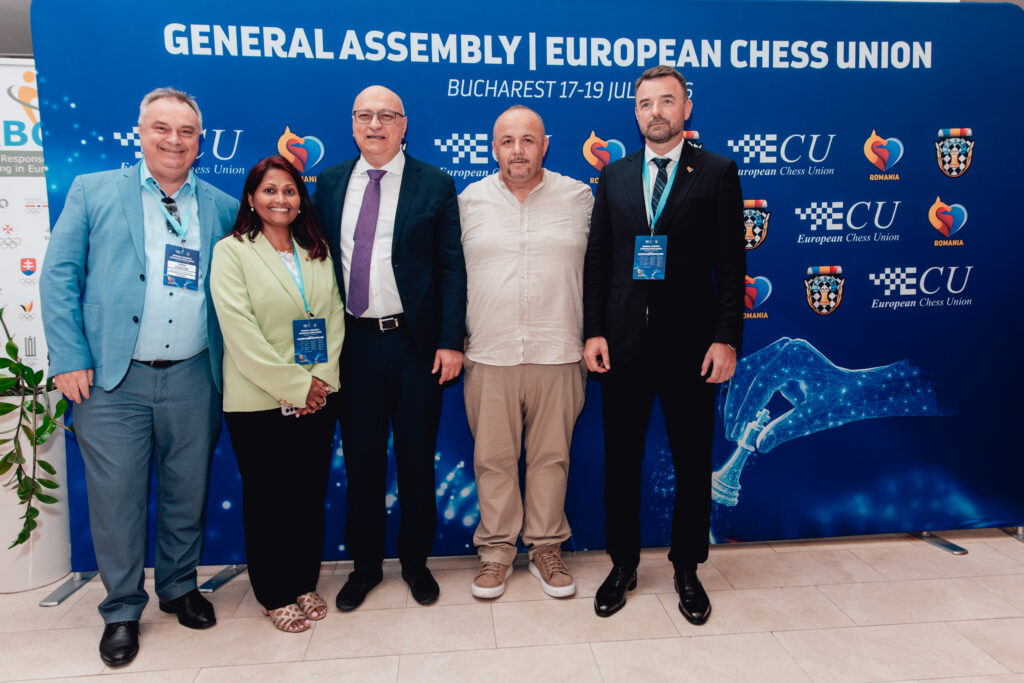
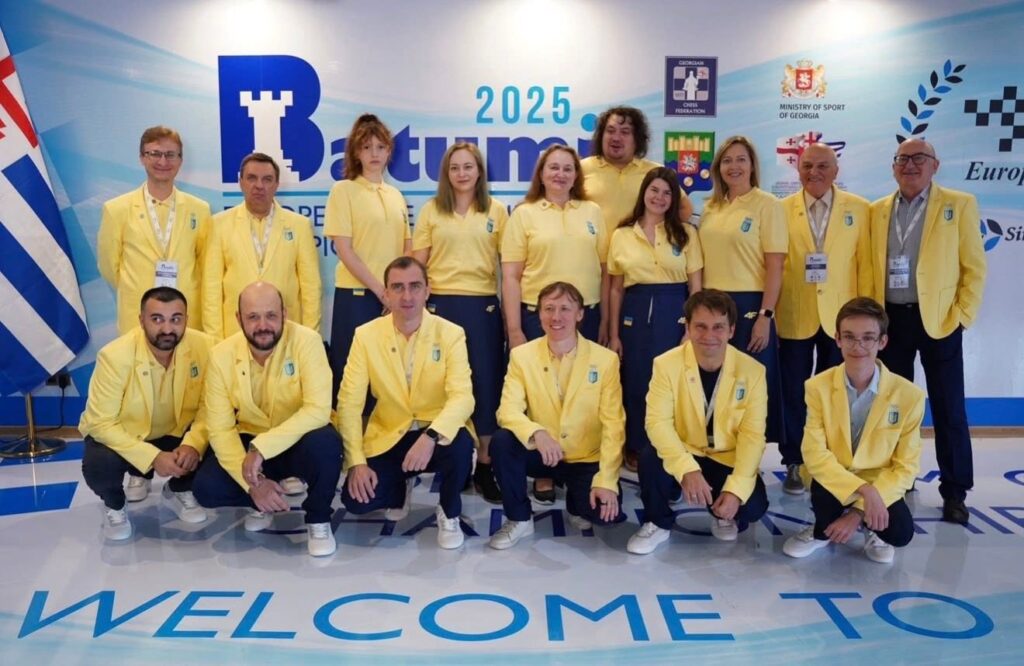
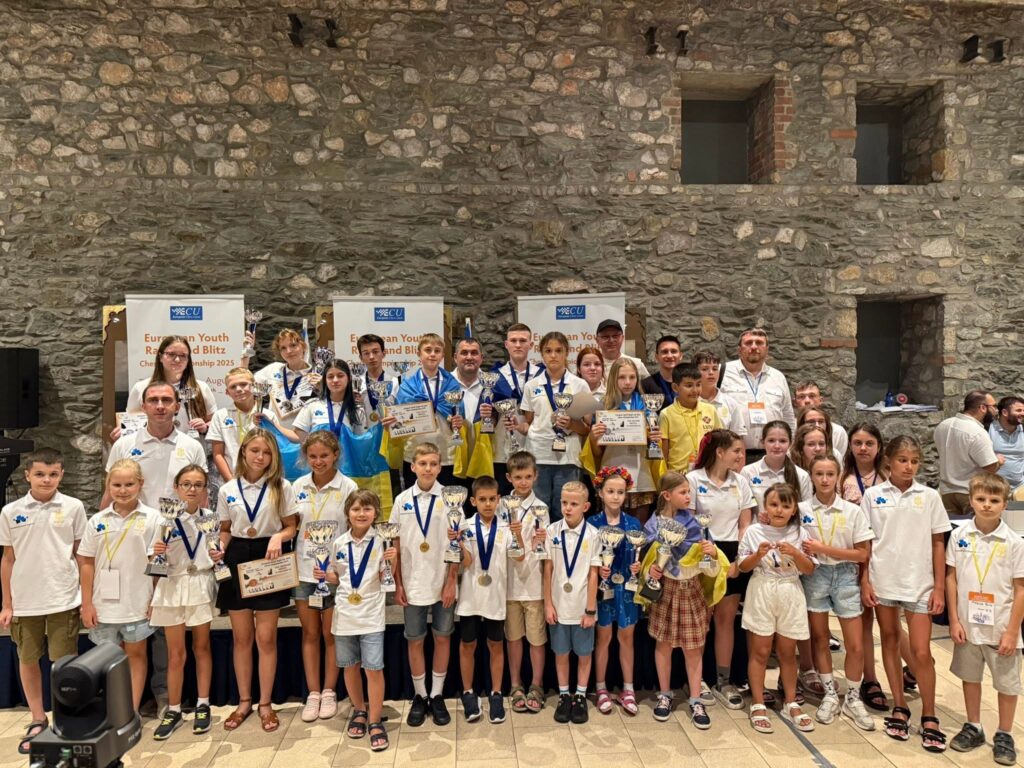
ECU2030 Program: Development Projects & Federation Support

ECU2030 Program: Development Projects & Federation Support

The ECU2030 team is proud to present the Program of Development Projects & Federation Support. Designed not just as a slogan but as a highly practical system, this initiative aims to strengthen national federations across Europe through measurable, accessible, and easily implementable support. Regardless of size or resources, every federation will have the tools to grow participation, improve standards, and build sustainable programs.

Here is a summary of what the ECU2030 team will deliver between 2026 and 2030:

Financial and Event Support

  • €200,000 Combined Development Fund: In partnership with the FIDE Planning and Development Commission (PDC), ECU will add 100,000 euros, a combined fund will dedicate €200,000 to initiatives focused on social chess, training, education, and institutional public partnerships.
  • Regional Event Support: The ECU will sign cooperation memorandums providing institutional and financial support to historic regional events, including the Small Nations Championships, Mitropa Cup, Balkan Championship, and the Glorney and Gilbert Cup.

Tools, Mentoring, and Digital Modernization

  • Federation Support Toolkit: To reduce administrative workloads and raise standards, federations will receive immediate access to project templates, school-program starter packs, and communication materials.
  • “Project Lab” Mentoring: Regular, practical online support sessions will help federations turn rough concepts into structured, fundable project plans with clear budgets and partner maps.
  • A Proven Digital Blueprint: Replicating the success of the Romanian Chess Federation’s €4.5 million EU-funded C.E.S.S. project, ECU2030 will provide a blueprint for a modern, skills-based digital program to help federations attract serious public institutional funding.
  • Talent Pathways: Structured training programs and camps will ensure that every federation has a fair, open opportunity to have their talented players represented, removing geographical and budgetary barriers.

Accessible Guidance and Recognition

To maximize success, the program establishes a Federation Support Desk offering direct contact points and regular online office hours to clear away bureaucratic hurdles. Outstanding efforts will be celebrated through an Annual Development Best Practices recognition program, highlighting and sharing successful case studies across ECU channels to inspire replication across the continent.

The Bottom Line: ECU2030 program is built on a “federations-first” model. By building on existing foundations in Social Chess, Chess in Education, and Women in Chess, this program ensures that delivery is measurable, scalable, and directly felt by chess communities across Europe.

For a detailed look at the ECU 2030 Development projects & Federations Support program, you can access the full document below.
ECU2030 presents the Program for Chess in Education

ECU2030 presents the Program for Chess in Education

Chess in Education (CiE) represents one of the most scalable ways to grow global chess participation while delivering measurable social, cognitive, and educational value. As part of the ECU2030 vision, we are ready to transform how chess is taught across the continent. By moving away from purely competitive outcomes, our program for Chess in Education focuses on the broader educational benefits of chess, removing cost and distance barriers through high-quality methodology, recognized training, and fully digital services.

What We Have Delivered

  • University-Level Qualification: Launched in June 2024 with the University of the Aegean, the Chess in Primary Education distance-learning course offers educators a recognized academic certificate and 12.8 ECTS credits.
  • The “CiE Package” for Schools: A turnkey toolkit providing teachers with a two-day certified training course, an 80-page CourseBook, and the ECU101 curriculum of 40 structured lessons based on the proven SMART Method.
  • Digital Integration: Seamless access to training materials, resources, and course registration is fully centralized via the ECU Hub and the ECU Education Commission Platform.
  • Chess Research Database: A comprehensive, biannually updated digital archive of peer-reviewed academic articles bridging the gap between scientific research and classroom practice.

Our Roadmap (2026–2030)

  • Digitalization as the Default: Connecting digital training services to a practical membership pathway so national federations can scale chess programs sustainably without added bureaucracy.
  • Federation-Ready Toolkits: Packaging the CiE resources into an easy-to-adopt implementation toolkit for schools, municipalities, and local instructors.
  • Research-Backed Expansion: Partnering with prominent European research centers to keep teaching methodologies current and introduce chess subject programs at European Universities.
  • A Proven EU Blueprint: Utilizing the framework of Romania’s €4.5 million EU-funded C.E.S.S. Project as a repeatable model to help all European federations secure sustainable funding and modernize their structures.

Read the complete ECU2030 Chess in Education Program document below for a comprehensive overview of our vision for Chess in Education.

ECU2030 Program: Sponsorships, New Events & Strategic Cooperations

ECU2030 Program: Sponsorships, New Events & Strategic Cooperations

The ECU2030 team has detailed its ECU 2030 Program (2026–2030), establishing a professionalized framework designed to elevate European chess through commercial sponsorships, innovative event formats, strategic cooperations and sustainable collaborations.

Proven Milestones: Achievements delivered so far

The ECU 2030 vision is built on a foundation of previous, tangible successes that have already injected new momentum and partner confidence into European chess.

  • Cutting-Edge Technological Partnerships: A strategic cooperation with Al Sense Chess Robot brought in a total sponsorship package of €110,000. This includes direct funding to ECU accounts alongside physical robot donations to help National Chess Federations access modern training tools.
  • Empowering Women’s and Senior Chess: Women’s chess was significantly strengthened by establishing the flagship European Women’s Rapid & Blitz Championship in Monaco, featuring a €45,000 annually sponsored prize fund. Meanwhile, senior chess saw immediate improvements with a secured €16,000 increase in prize funds for the European Senior Championships starting in 2026.
  • Digital Innovation & Media Expansion: The launch of the operational ECU Hub digital platform hosted over 40 webinars organized by ECU Commissions, drawing approximately 800 attendees in just one year and significantly driving up commission revenues. Simultaneously, ECU TV was developed as a key channel for visibility, storytelling, and the promotion of ECU events and European chess, achieving a major milestone in 2025 with the first sales of TV rights for the European Club Cup.

Secured for the Next Term (2026–2030)

The ECU2030 team has already secured an array of landmark agreements, structures, and premier events for the upcoming 2026-2030 term:

  1. Structural Sponsorship & Endorsements
    A tiered sponsorship framework has been finalized, offering partners clear, predictable activation options across digital platforms, live events, education, ECU TV, and the ECU HUB. Furthermore, an official endorsement from the Super Foundation guarantees that the ECU will possess an increased capacity to support elite events and development projects starting in 2027.
  2. New events with strong identity and predictable standards
    European Chess Super League 2027 (Bucharest): Established with a €500,000 budget and a clear international media profile.
    European Women’s Super League 2028 (Monaco): Continuing the modern, elite event direction with a €400,000 budget.
    – European Senior Rapid & Blitz Championship 2027 (Monaco): A new high-visibility milestone for senior chess featuring a €100,000 total budget and a secured prize fund of €32,000.
    European Open Chess Championship 2027: An agreed sponsorship will add an extra €50,000 directly to the tournament’s prize funds.
  3. Financial Growth, Transparency, and Accountability
    The projected ECU budget reflects an unprecedented era of growth, backed entirely by secured contracts and announced partnerships rather than mere promises
YearProjected Annual BudgetKey Growth Drivers
2027€1,200,000 Includes the €500,000 min. budget for the European Super League, a €50,000 additional Open Championship prize fund, and €100,000 in additional sponsorship for development/social projects.
2028–2030€2,000,000 Fueled by the additional support from Super foundation for development, social and training programs, inclusion of the European Women’s Super League and the full commercial maturation of digital assets like ECU HUB and ECU TV

The ECU2030 team emphasizes complete financial transparency. All funds supporting ECU projects will originate exclusively from well-known companies and sponsors with significant business operations in Europe and clear, verifiable sources of funds.

For a detailed look at the ECU 2030 Sponsorship, New Events & Strategic Cooperations program, you can access the full document below.
Zurab Azmaiparashvili and ECU2030 team visit Norway Chess

Zurab Azmaiparashvili and ECU2030 team visit Norway Chess

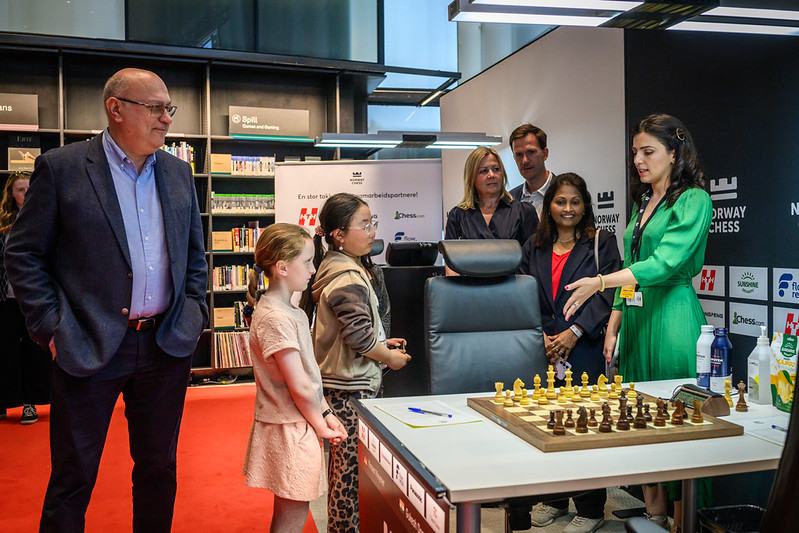
Zurab Azmaiparashvili, joined by the ECU 2030 team members Lasse Ostebo Lovik and Prabitha Urwiler, visited Norway Chess – one of the world’s most prestigious and elite chess tournaments.

During the visit, President Azmaiparashvili held productive meetings with:

  • Kjell Madland (Norway Chess CEO)
  • Simen Agdestein and Henrik Carlsen (Prominent Norwegian chess personalities)
  • Various federation representatives, international chess organizers, distinguished guests of the tournament and chess friends working or visiting the event.

The main items in the meetings agenda were the cooperation between European elite tournaments, the European Super League, and expanding social and educational chess initiatives across Europe.

The ECU President and ECU2030 presidential candidate for term 2026-2030, Zurab Azmaiparshvili, made the ceremonial first move in the sixth round of Norway Chess, in the game between Magnus Carlsen and Alireza Firouzja.

This visit reflects the ECU 2030 ongoing commitment to strengthening partnerships across Europe’s chess community.

Photos by Norway Chess/ Michal Walusza & Prabitha Urwiler

ECU 2030 Team presents the Strategy for Seniors Chess

ECU 2030 Team presents the Strategy for Seniors Chess

The ECU 2030 Team is fully committed to elevating senior chess to the level of prestige and respect it truly deserves. Driven by the core pillars of recognition, event excellence, and social inclusion, our program combines immediate financial reinforcements with ambitious new initiatives to celebrate the legacy and continued competitive strength of Europe’s senior players.

Key Highlights:

  • What We Have Secured: An immediate, measurable step-up with a €16,000 additional prize fund already secured for the European Senior Individual and Team Championships to set a higher baseline for growth starting in 2026.
  • What We Will Launch (2026–2030): A brand-new flagship event – the European Senior Rapid & Blitz Championship 2027 in Monaco, featuring a €30,000+ prize fund already secured through a new sponsorship. Regulations for the event will be announced as soon as they are finalized.
  • Elevating Event & Media Standards: Raising organizational standards across playing conditions, scheduling, arbiters, and hospitality to deliver a top-level championship experience. We will implement strict minimum media standards – including previews, daily highlights, and interviews, to ensure senior chess gains the strong visibility it merits.
  • Inclusion & Lifelong Chess: Expanding participation through social programs tailored for players returning to chess later in life, introducing intergenerational formats like senior-junior team events, and supporting healthy ageing initiatives that link chess with mental wellbeing.
  • Accountable Progress: Tracking success through clear KPIs, including the full delivery of the €46,000+ secured prize fund uplift, year-on-year registration growth in the 50+ and 65+ categories, and measured player satisfaction.

For a detailed look at the ECU 2030 Strategy for Seniors Chess, you can access the full document below:

ECU 2030 introduces the Strategy for Women in Chess

ECU 2030 introduces the Strategy for Women in Chess

The ECU 2030 Team introduces a comprehensive strategy dedicated to strengthening women’s inclusion in chess across Europe. Built on four core pillars: participation, safety, visibility, and leadership, the program combines proven, ongoing policies with ambitious new initiatives to create a sustainable, development pathway.

Key Highlights:

  • What We Have Delivered: Implementation of the Safe Play Policy and cooperation with Women’s Chess Foundation, free trainings for talented girls via the ECU Academy, free seminars and webinars supporting education, leadership and community building, establishment of Women’s Chess Trophy, support of Women’s National teams for the Chess Olympiad, and the establishment of the annual Women’s Championships with stable prize funds
  • What We Will Strengthen (2026–2030): Launching the European Women’s Chess Super League in 2028, proposing an official amendment to the ECU Statutes to guarantee that electoral tickets include at least two male and two female members – a standard our team has already met, support federations with practical toolkits, guidance, and targeted financial mechanisms to increase women’s participation at national and European level, raise promotion and media standards for women’s events, and strengthen the competitive pathway from youth to elite level, including better continuity of opportunities and recognition of emerging talents.
  • Developing Future Leaders: Establishing the ECU Women’s Leadership Program to train young women (ages 18–30) in chess governance and federation management, with the dedication to building on the excellent Norwegian model but European-wide and women-focused.
  • Accountable Progress: Tracking success through clear KPIs, including year-on-year participation growth , federation engagement , and strict minimum media standards for event coverage.

For a detailed look at the ECU 2030 Strategy for Women in Chess, you can access the full document below:

Super Foundation officially Endorses ECU2030 Team

Super Foundation officially Endorses ECU2030 Team

The ECU 2030 team is proud to announce a formal endorsement from the Super Foundation, one of Europe’s most significant contributors to the development of chess. The endorsement letter to our team signals a powerful alliance between the proven governance of the ECU2030 team and the mobilization of large-scale investment for the future of European chess.

The Super Foundation, led by its President Augusta Dragic, has demonstrated an unparalleled commitment to the sport, investing nearly €14 million over the last seven years to elevate chess across the continent. Their track record includes:

  • Major Infrastructure: Serving as a primary partner of the Grand Chess Tour and hosting world-class events in capitals like Warsaw, Bucharest, and Zagreb.
  • Next-Gen Support: The launch of the Chess Nest project in 2026, which provides up to €100,000 in support for elite juniors.
  • Institutional Excellence: Receiving the ECU Award for Excellence in 2025 for their contributions to European development.

In the letter of support which can be found at the end of this article, the President of Super Foundation Augusta Dragic noted that the team led by Mr. Zurab Azmaiparashvili uniquely combines deep institutional experience with the capacity to foster the high-level partnerships necessary for the next phase of the sport.

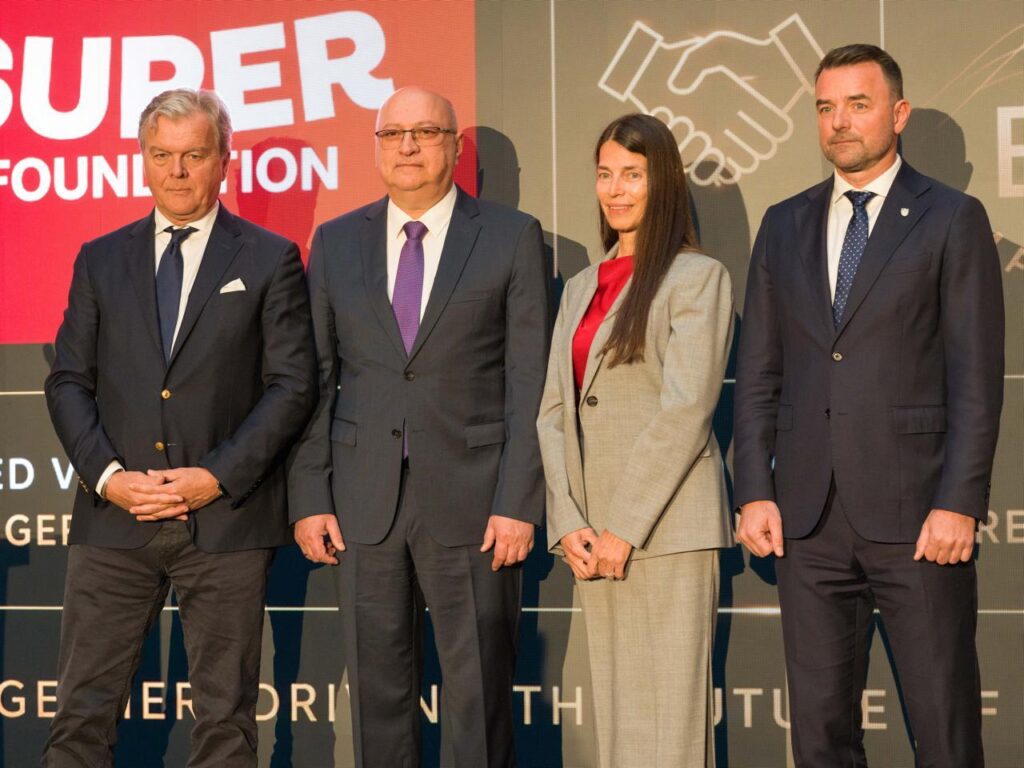
In the photo (from left to right): Hans-Holger Albrecht – Chairman of Super Technologies and Vice Chairman of the Super Foundation, Zurab Azmaiparashvili – ECU2030 Presidential Candidate, Augusta Dragic – President of Super Foundation, and Vlad Ardeleanu – President of Romanian Chess Federation and ECU2030 candidate for ECU Deputy President.

The Chairman of Super Technologies and Vice Chairman of the Super Foundation, Hans-Holger Albrecht, sent the following video message, endorsing the ECU2030 team:

This endorsement directly aligns with the ECU 2030 pillars of chess development, and institutional growth. Our team is committed to proposing and implementing joint projects with the Super Foundation that will transform:

  • Chess in Schools programs
  • Development of European chess talents
  • Social Projects and inclusive initiatives
  • The upcoming European Chess Super League 2027

As we move forward to enhancing European chess together, this partnership underscores our mission: to ensure that chess in Europe benefits from a modern, transparent, well-funded, and professionally managed sports environment.

Romanian Chess Federation Secures €4.5M for “C.E.S.S.” Project

Romanian Chess Federation Secures €4.5M for “C.E.S.S.” Project

It is a landmark moment for the chess community: the C.E.S.S. Project – “Competences and Higher Education through Chess”, a groundbreaking EU-funded initiative awarded to the Romanian Chess Federation under the Smart Growth, Digitalization and Financial Instruments Programme 2021-2027 (PoCIDIF) is officially launched!

With a total investment of 4,5 million euros, this is the most significant European funding achievement in the history of chess. The official launch event took place on 14 May 2026 in Sheraton Bucharest, marking the formal start of a transformation that will set a new benchmark for chess administration across Europe.

Garry Kasparov: A Historic Day for Chess. We are grateful to the Romanian Chess Federation, Vlad Ardeleanu and Dragic foundation.

Vlad Ardeleanu: We will capitalise on the popularity of chess through the national federations, providing the most advanced technology and services.

Theodoros Tsorbatzoglou: Digitalization is not progress anymore but survival and the Romanian federation gives us the tools and brings us the funding to modernize our official structures. Thanks to Vlad Ardeleanu and the Romanian Chess Federation, major EU funding steps for chess.

This monumental success story is not an isolated achievement; it is the blueprint for the future. The ECU2030 team is proudly building the ECU Strategy 2026–2030 on the foundation of digitalization, modernization, and financial sustainability.

Detailed information about the C.E.S.S. project can be found in the document below.
Empowering Europe: The ECU Social Chess Strategy 2026–2030

Empowering Europe: The ECU Social Chess Strategy 2026–2030

The ECU 2030 team has officially unveiled the ECU Social Chess Strategy 2026–2030, a streamlined roadmap designed to transform chess into a permanent tool for social inclusion across all 54 European federations. Prepared by PD Dr. Prabitha Urwyler, Candidate for ECU Treasurer and Leader of ECU Social Projects, the strategy focuses on practical, governable goals that build on the momentum of the 2025 Year of Social Chess.

The core mission is simple: by 2030, every federation should have the capacity to use chess for education, health, and community engagement through a shared European framework.

Key Strategic Pillars

The strategy is built upon a continental delivery structure and three flagship programs:

  • Social Chess Officer Network: The central innovation of the plan. Every federation will nominate one voluntary officer responsible for inclusion, supported by the ECU with training, tools, and micro-grants.
  • Chess4Hope: Scaling existing pilots to use chess as a language of dignity and empowerment for underserved communities, including refugees, orphans, and marginalized youth.
  • Chess4Elderly: Addressing loneliness and cognitive health through municipal partnerships and the launch of a European Intergenerational Chess Day starting in 2027.
  • Chess for Freedom: Building on existing frameworks to introduce chess into prison rehabilitation programs across Europe in partnership with the Council of Europe.

Implementation Roadmap

The strategy follows a phased rollout to ensure sustainability:

  1. Foundation (2026): Adoption of the strategy and launch of officer nominations.
  2. Pilot Delivery (2027): Establishing the first 25+ active officers and publishing the ECU Guide on Inclusion in Chess.
  3. Expansion (2028–2030): Full consolidation with the goal of having active social programs in all 54 federations by 2030.

For a detailed look at the operational targets, funding structures, and the complete 2030 roadmap, you can access the full document below:

Welcome Olga Popadiuk – ECU2030 Campaign Manager

Welcome Olga Popadiuk – ECU2030 Campaign Manager

The ECU2030 team would like to welcome Olga Popadiuk as the Campaign-PR Manager of our team!

With a PhD in Economics, and a strong background across academia, business, and international chess, Olga will support our communication strategy, positioning, and audience engagement.

Olga lives in Chervitsi, Ukraine. She has worked as a university lecturer in economics and as a Deputy Director of a major trading company. Since 2020, she has focused on chess as her primary professional field, working internationally as a chess coach, certified chess arbiter, and active player. Olga is also a public speaker and chess content creator, specializing in communication strategy, positioning, and audience engagement within the global chess community.